
It’s the single most misunderstood topic for Sanibel buyers, and ignoring it can cost you thousands.
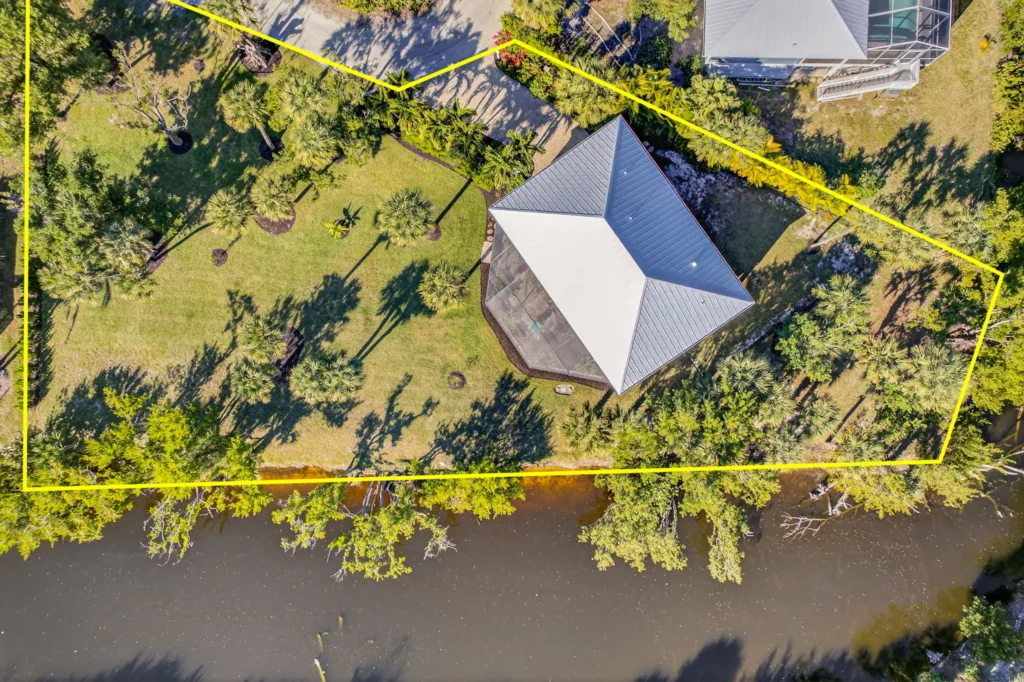
You’ve fallen in love with the idea of Sanibel: the shells, the sunsets, the serene pace of life. But underneath that dream lies a critical reality — water. Living on a barrier island means living with the water, and that means understanding flood risk. For many buyers, the topic of flood zones and insurance is confusing, intimidating, and easy to push aside. That’s a mistake.
Failing to understand flood zones can lead to catastrophic financial surprises: insurance premiums that are thousands of dollars higher than you budgeted for, financing challenges, and the devastating realization that your dream home isn’t properly protected. You need a guide who can make the complex simple, someone who has navigated these waters for 40 years.
This guide will demystify Sanibel’s flood zones. We’ll break down what the codes mean, how they impact your costs, and how to make an informed decision. This is the clarity you need to buy with confidence.
What Are Flood Zones and Why Do They Matter on Sanibel?
Every single property on Sanibel Island is located in a Special Flood Hazard Area (SFHA), as designated by the Federal Emergency Management Agency (FEMA). This doesn’t mean every home will flood, but it does mean that the entire island is in a floodplain and carries some level of flood risk. Flood zones are FEMA’s way of rating that risk.
Understanding your flood zone is critical for two reasons:
- It determines your flood insurance requirements. If you have a mortgage, your lender will require you to carry flood insurance.
- It significantly impacts your insurance costs. A home in a higher-risk zone can cost dramatically more to insure than a home in a lower-risk zone.
The Two Key Flood Zones on Sanibel Island
Sanibel primarily has two flood zones you need to know: Zone AE and Zone VE. Both are high-risk zones, but they have one key difference.
| Flood Zone | Description | Location on Sanibel | Insurance Cost | What It Means for You |
|---|---|---|---|---|
| Zone VE | Velocity Hazard Zone | Areas subject to high-velocity wave action (storm surge). | Highest | These are the most exposed areas, typically near the Gulf of Mexico. Construction standards are stricter, and insurance premiums are the highest on the island. |
| Zone AE | Base Flood Elevation Zone | Areas subject to inundation by the 1% annual chance flood (the “100-year flood”). Waves are not a major factor. | High | This zone covers the majority of Sanibel Island. Insurance is still required with a mortgage, but costs are generally lower than in VE zones. |
According to the City of Sanibel, most properties on the island are located in the AE flood zone. VE zones are typically found closest to the Gulf and on the island’s eastern tip.
People Also Ask: Your Flood Zone Questions, Answered
How do I find out the flood zone for a specific property?
You can use the official FEMA Flood Map Service Center. By entering a property address, you can view the official flood map and see the designated zone. As your real estate guide, this is a step I perform for every property we consider.
What is a Base Flood Elevation (BFE)?
The Base Flood Elevation (BFE) is the height to which floodwater is anticipated to rise during the base flood (1% annual chance event). In Zone AE and VE, new or substantially improved homes must be elevated so that the lowest floor is at or above the BFE. A home built high above the BFE will typically have a lower insurance premium than a home built right at the BFE.
How much does flood insurance cost on Sanibel?
This is the million-dollar question, and the answer is complex. The cost is driven by several factors:
- Flood Zone: VE is more expensive than AE.
- Elevation: The higher your home’s lowest floor is relative to the BFE, the lower your premium.
- Date of Construction: Homes built after the first flood maps were issued (post-FIRM) and in compliance with modern codes are often cheaper to insure.
- Coverage Amount: The National Flood Insurance Program (NFIP) provides coverage up to $250,000 for the building. You may need private insurance for additional coverage.
While it varies greatly, it is not uncommon for barrier island flood insurance policies to be in the range of $5,000 to $10,000 per year, especially for older homes or those in VE zones. This is a critical number to factor into your annual budget.
The Post-Ian Reality: A Stronger, More Resilient Sanibel
Hurricane Ian was a wake-up call. It reinforced the importance of resilient construction. The homes that performed best were newer, elevated structures built to modern codes. In the wake of the storm, rebuilding efforts have focused on making the island stronger.
What does this mean for you as a buyer?
- Newer homes are more desirable than ever. A post-2022 build or a home that has been substantially renovated to modern standards may come with a higher price tag, but it can save you significantly on insurance and provide invaluable peace of mind.
- Elevation is everything. When looking at homes, we won’t just look at the view; we’ll be looking at the elevation certificate. This document is your key to understanding the home’s true risk and insurance cost.
Don’t Navigate This Alone

Flood zones are not something to be afraid of; they are something to be understood. With the right guidance, you can confidently choose a home that fits your lifestyle and your budget, without any unwelcome surprises.
After living here for 40 years, I can help buyers understand the nuances of Sanibel real estate, from the shifting sands of the beaches to the fine print of an elevation certificate. I have the expertise to help you find a home that is not just beautiful, but also a sound, secure investment.
Ready to find your safe harbor on Sanibel?
Contact Michal Showalter today to discuss your goals. Let’s find a home where you can enjoy the island life, worry-free.
References
- FEMA. (2024). Flood Maps.
- City of Sanibel. (n.d.). Flood Information.
- National Flood Insurance Program. (n.d.). Coverage for Your Home and Belongings.
- Heidrick & Co. Insurance. (n.d.). Flood Insurance 101.